Things to do in Watamu, Kenya: 8 Breathtaking Experiences

Watamu, home to idyllic Watamu Beach, is the kind of place that messes with your standards. You come for a “quick Kenya beach add-on” from Mombasa, then the white sand beaches meet an ocean that turns a shade of turquoise that looks edited, and your brain quietly goes, “Oh no. I’m going to love this.”
That’s the magic here. You can pack in things to do in Watamu without burning through precious annual leave. In a short stay you can snorkel a marine park, spot dolphins, glide through mangroves, wander ancient ruins, and finish with a sunset trip to a wild, desert-like canyon at Marafa Hell’s Kitchen.

The best bit is choice. Some days call for hammock energy. Other days call for “I’ve got two days off, let’s make them count” energy. This guide gives clear picks for chilled, adventurous, and family-friendly plans.
Best water-based things to do in Watamu (boats, beaches, and bright-blue water)
Watamu’s headline acts happen on (and in) the water, especially around Watamu Beach. Tours usually start early, whether on a speedboat or a traditional dhow cruise, tides matter more than your alarm clock, and the sun doesn’t play nice after midday.
Dolphin watching and snorkelling expedition in Watamu Marine National Park
This is the classic Watamu half-day that somehow feels like a full-on highlight reel. A typical trip looks like:
- Boat ride out from the beach (often just after sunrise).
- Dolphin spotting in deeper water.
- Snorkelling stop over coral gardens.
- A slower patch of time, floating, sunning, or hopping onto a sandbank if conditions line up.
On my trip, dolphins surfaced right beside the boat, close enough to hear that soft exhale. I tried to act calm and grown-up. I failed. I made a noise that can only be described as “tea-kettle excited”!


What you might see: reef fish in bright crowds, coral reefs teeming with colourful marine life, and if you’re really lucky, a turtle cruising past like it owns the place.
Here are my top pack and prep tips for this experience:
- Go early: the sea is often smoother, and the light is better for snorkelling.
- Bring reef-safe suncream and reapply after swimming.
- If you’re prone to seasickness, take your usual remedy before you board.
- Take a long-sleeve rash vest if you burn easily, snorkelling sunburn is sneaky.
- Ocean safety is simple: wear a life jacket if offered, listen to the crew, and don’t try to outswim a current to “prove a point”.
Some ethical dolphin rules to follow (these are simple, but should be non-negotiable):
- Keep a respectful distance, don’t feed them, don’t try to swim at them.
- Don’t book tours that crowd dolphins or cut them off.
- Ask the operator what their wildlife policy is before you pay.
If you want official background on the protected area, Kenya Wildlife Service has a useful overview of Watamu Marine National Park & Reserve.
Robinson Island sandbank day, beach picnic, and pure switch-off time
A sandbank day feels like stepping into a postcard, except it’s real, and you’re the one leaving footprints in it. Depending on the tide, you’ll wade through ankle-deep water from spots like Garoda Beach, take photos that make your friends suspicious, and sprawl out while the sea changes colour around you.

The important thing to know is that tides shape the whole experience. A sandbank can look huge at low tide, then shrink fast as water returns. Good crews plan around this, so you get time to relax rather than constantly watching your “is my bag floating away?” situation.
For a change of pace, calmer pursuits like stand-up paddle boarding offer a gentle way to explore, while thrill-seekers can try kitesurfing with Tribe Watersports or diving for deeper underwater adventures in Watamu Marine National Park.
My quick pieces of advice that will save you money and hassle:
- Wear water shoes (sand + shells + random sharp bits is a nasty combo).
- Carry cash for tips for the boat crew.
- Before you agree a price, ask what’s included: park fees, snorkel masks, fins, lunch, drinks, and transfers. That one question helps you avoid the “surprise extras” feeling.
For ideas on organised outings (and what operators often bundle together), check out my Watamu board on Get Your Guide, where bookings are flexible and protected. Download the app here.
Wildlife and nature experiences that feel like a mini safari, without the long drive
Not every Kenya wildlife moment needs a six-hour drive and a 4 am wake-up. Watamu’s nature experiences are close, calm, and surprisingly varied. They’re great for couples, solo travellers, and families who want something different from “another beach nap” (even though beach naps are valid!).
Mida Creek mangrove canoeing and sunset boardwalk views
Mida Creek is where Watamu goes quiet in the best way. Mangroves twist out of the water like living sculptures, birds cut across the sky, and the whole place feels like a deep breath.
Canoeing or kayaking here is gentle rather than sporty. You’ll paddle through narrow channels in Mida Creek, spot birdlife, and end up watching the light shift at golden hour.
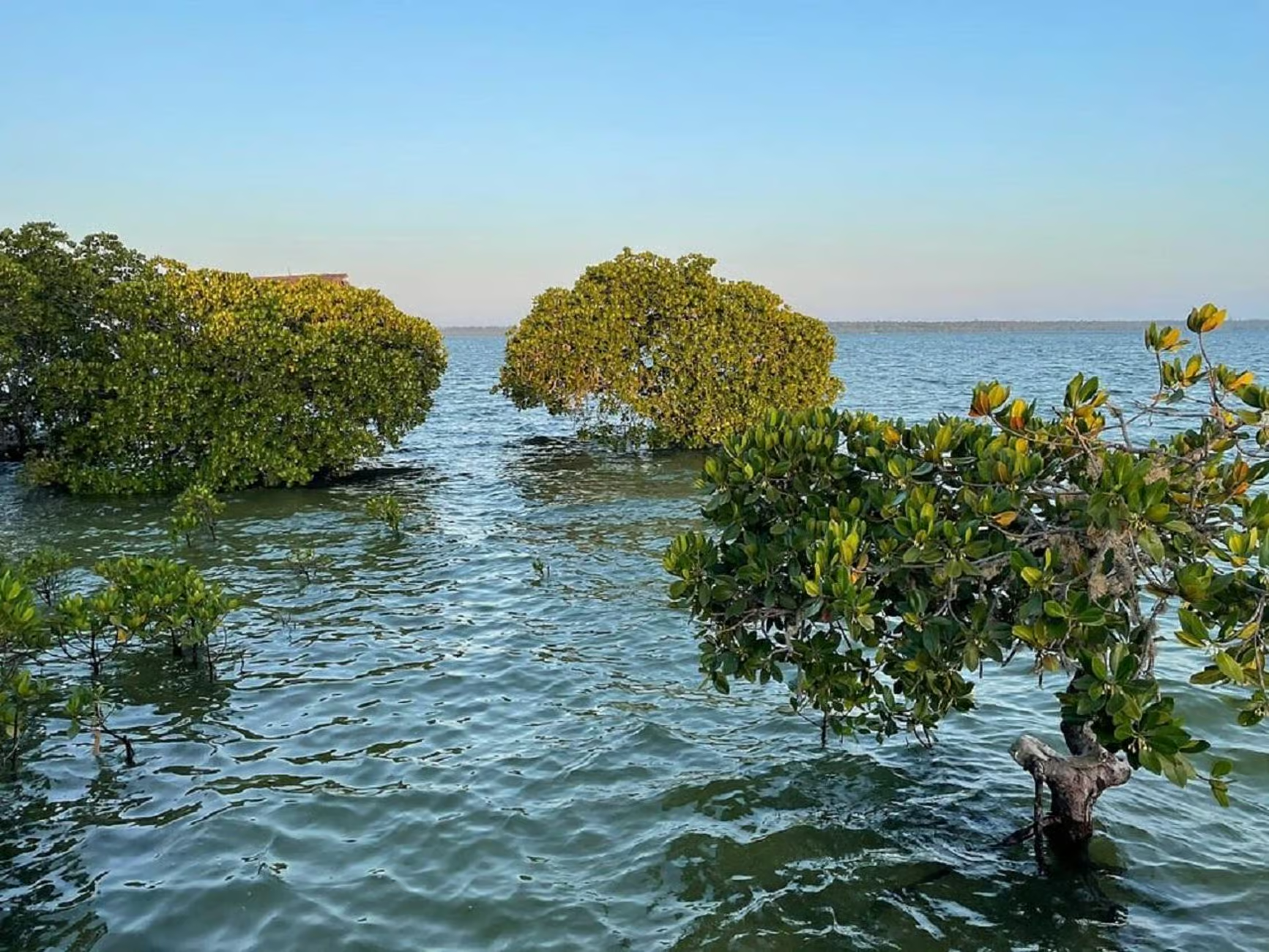
I remember the moment it properly clicked: no engine noise, no playlist, just paddle dips and birds calling over the water. It felt like someone hit a reset button in my head.
What I recommend you wear and bring for this excursion:
- Light layers (it’s warm, but breezes pick up near sunset)
- Insect repellent and something to cover your ankles
- Water (in a reusable bottle) and a phone pouch if you’re taking photos
Watamu’s Bio-Ken Snake Farm and bio-kennel visit for curious travellers
If “snake” makes your soul exit your body, stay with me. Set amid the surrounding Arabuko Sokoke Forest, it’s more educational than terrifying, and it’s often a hit with families because it’s structured, supervised, and focused on learning.
You’ll see snakes (yes), and you may also see crocodiles, lizards and other rescued reptiles, depending on what’s being cared for at the time. The point isn’t to turn you into a reptile superfan overnight. It’s to understand the role these animals play and how people can stay safe around them.

Some basic do’s and don’ts that will make your visit easier:
- Listen to staff, and don’t make sudden moves around enclosures.
- Ask before taking photos, and make sure flash is switched off.
- If you’re nervous, say so. Good staff are used to it and won’t push you.
Turtle Sanctuary: witness rescued sea creatures recuperating
Watching sea turtles recover at Watamu Turtle Watch is a quietly emotional experience. It’s not loud or flashy, it’s the opposite. You see the care, the patience, and the long timeline of doing things properly.
In Watamu and nearby, turtle conservation is a real community effort. If you want to support ongoing work, you can learn about Watamu Turtle Watch & Local Ocean Trust on their official website. For broader info on marine conservation programmes in the area, Local Ocean Conservation is also worth a look.
Some visitor basics while at Watamu Turtle Watch:
- Follow the rules on site, they exist to protect stressed animals.
- Keep noise down, and don’t tap glass or crowd viewing areas.
- If donations are invited, give what you can. Even small amounts help.
History, culture, and easy day trips from Watamu (ruins, markets, and local food)
Watamu isn’t just beach bars and boat trips. You can add real depth to a short stay with cultural stops like the Watamu Treehouse and Gede Ruins, and a simple day trip. Keep it light, stay respectful at sites, and plan to be back before dark if you’re not familiar with the area.
Getting around is usually by tuk-tuk, taxi, or an organised tour. Agree prices before you get in, and carry small notes.
Gede Ruins: an ancient Swahili town in the middle of a forest
Gede Ruins sits in a forest that feels alive with sound. You’ll walk between coral-stone walls, pass huge baobabs, and spot monkeys doing their usual “we live here, you’re the visitor” routine.
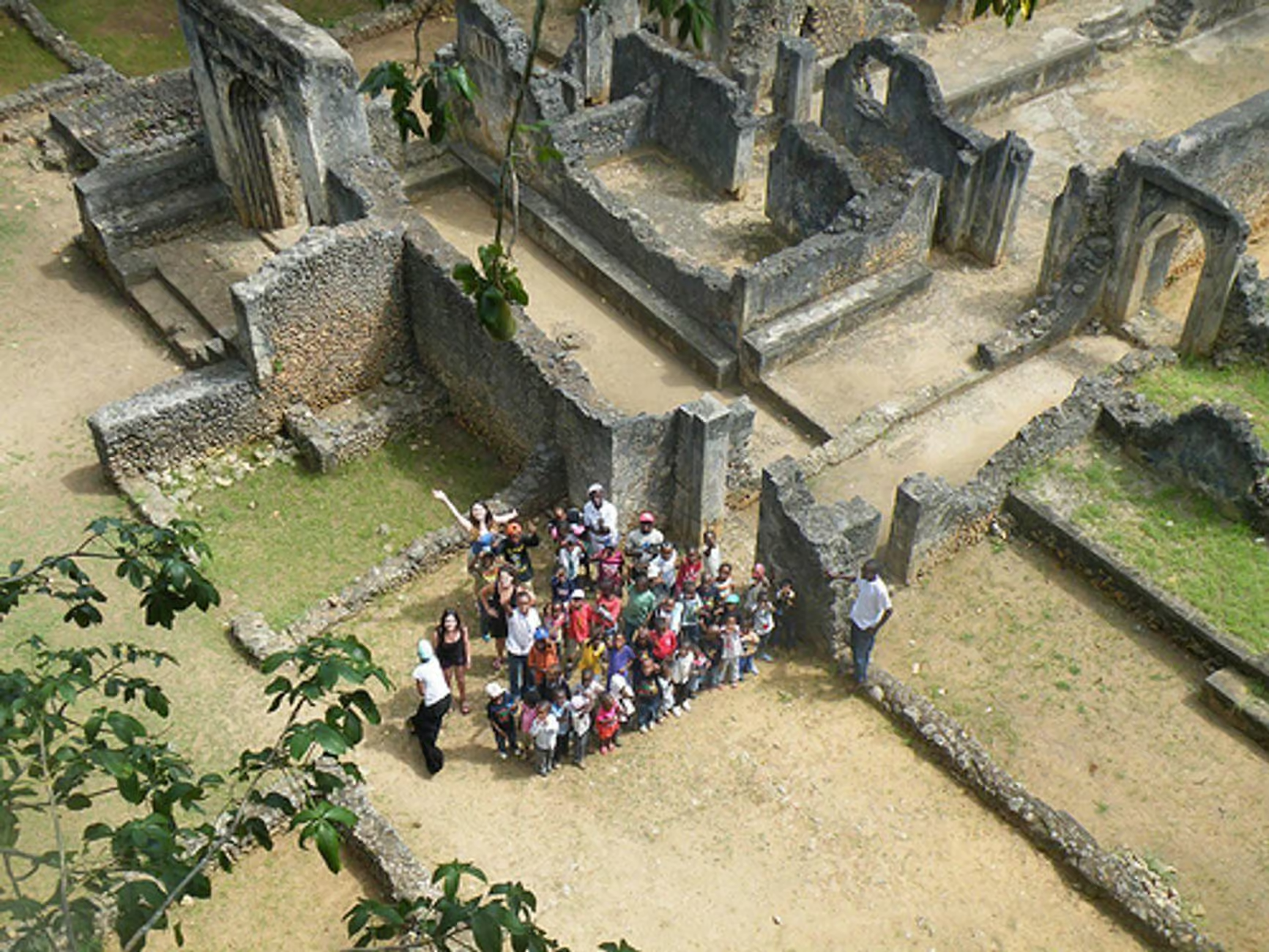
My advice is go with a guide if you can, or join a group tour like this one. The place is interesting on its own, but the stories and context make it stick.
Some practical advice to follow when joining this tour:
- It’s hot and humid, so bring water (in a reusable bottle)
- Mosquitoes can be bold, use repellent.
- Wear comfy shoes, you’ll be on uneven ground.
- Budget around 1.5 to 2 hours, longer if you like slow exploring.
- For lunch, try the Crab Shack near the creek for fresh seafood and local flavours.
The contrast is what got me: jungle noise all around, and these old walls just sitting there, steady and quiet, like they’ve seen every version of human drama already.
Malindi day trip for old-town streets, beach views, and a change of pace
Malindi is close enough for an easy day out, and it’s great when you want a change from the smaller Watamu bubble.
Here’s my simple Malindi plan:
- Morning: wander a few streets, browse local stalls and markets for snacks and small buys.
- Lunch: keep it easy and quick.
- Afternoon: find a coastal viewpoint, then head back to Watamu before evening.
Basic safety habits help, like keeping valuables close in busy areas and always agreeing the taxi price upfront (and confirm whether it includes waiting time).
If you’re travelling to Kenya for the first time and want a wider set of practical tips (money, etiquette, seasons, and entry bits), my Essential Kenya Travel Tips For First-Time Visitors guide is genuinely useful.
Marafa Hell’s Kitchen guided tour (the Watamu sunset trip you’ll talk about for years)
Marafa Hell’s Kitchen is one of those unforgettable things to do in Watamu that people describe with their hands. Big gestures. Wide eyes. Lots of “and then the colours changed again”.

It’s usually done as a guided afternoon trip that hits the gorge at sunset, when the sunset lighting shifts the rocks through oranges, reds, and soft purples in minutes.
What Marafa Hell’s Kitchen is like, and why a guide matters
Picture a sandstone gorge carved into dramatic shapes, with steep edges and narrow paths. It can feel very hot, and the ground isn’t always forgiving.
A guide matters for three reasons:
- Safety: they know the stable paths and where not to stand.
- Timing: sunset moves fast, and good guides place you well.
- Meaning: local stories and context turn it from “nice rocks” into something you remember.
Be sure to wear trainers with a good grip, a hat, a light layer for after sunset and bring a bottle of water, preferably in a reusable bottle – you’ll need it!
This is probably one to miss if you have mobility issues or very small children in tow, unless you’re happy to just appreciate the view from the top. Instead, Lichthaus offers a great alternative for catching a sunset right in the main Watamu area.
My Marafa tips: timing, photos, and avoiding the ‘sunset stampede’
We absolutely loved exploring this natural wonder – its beauty and the vibrancy of the red rock was just amazing!
Arrive a bit earlier than you think you need. You’ll want time to walk around without rushing and pick a spot for sunset before everyone clusters in the same place.

I told myself I’d take one photo, then “be present”. I took so many! The light kept changing, like the gorge was showing off on purpose.
Book this tour through Get Your Guide with hotel pick-up and drop-off for maximum convenience and minimum stress. Download the app here.
Quick planning guide for Watamu (where to stay, and how to get around)
Watamu works brilliantly for busy workers because distances are short, and tour days are easy to stack. Base yourself at Watamu Beach, with reputable places to stay such as Medina Palms or Turtle Bay.

We stayed a little further along the coast at Twiga Beach Resort, which was stunning with its own pool and private stretch of white sand beach. All meals and soft drinks were included and the service provided by the friendly staff members was excellent, making it really great value for our two-night stay.
Check my interactive map to find your perfect Watamu hotel stay.
Getting around in Watamu is simple via tuk-tuks or taxis, and transfers from Malindi are straightforward. We found it easiest to choose tours that included hotel pick-up and drop-off and arranged taxis and transfers online ahead of schedule.
Best time to visit Watamu
The best time to visit Watamu depends on what you want. Drier spells often mean calmer seas and clearer snorkelling, while rainy periods can bring humidity and choppy water. Conditions can still change week to week, so keep your must-do ocean trip for early in your stay and stay flexible.
Costs vary by season and operator. Also note: park fees, transfers, snorkel gear, and lunch are sometimes added on top, so confirm what’s included.
We visited in December and the weather was perfect – around 30 degrees Celcius, sunny, and mostly dry. You may see just the occasional quick afternoon shower.
How many days in Watamu is enough for the main tours and downtime
You can get a lot done without turning it into a military operation!
2 nights (fast and fun) – One ocean morning (dolphins + snorkelling), one chilled afternoon (beach), one sunset activity (Marafa Hell’s Kitchen or similar). This is exactly what I did, combining relaxation with bucket-list experiences during my week-long trip (check out my full 7-day Kenya itinerary here!).
3 nights (the sweet spot) – One full water day, one culture half-day (Gede Ruins), one Marafa Hell’s Kitchen excursion, plus real downtime.
5 nights (no rushing, more glow) – Add a Malindi day trip, a turtle visit, and a second beach day for tides that match your plans.
What to pack for Watamu tours (snorkel kit, shoes, cash, and anti-mozzie basics)
Even if you’re taking internal flights with a small luggage allowance and needing to pack light, these are the essentials you can’t leave behind for a stay in Watamu:
- Reef-safe suncream, hat, sunglasses
- Dry bag and waterproof phone pouch for boat days
- Water shoes and trainers
- Insect repellent and after-bite cream
- Reusable water bottle (Kenya has strict single-use plastic laws, and many wildlife parks don’t permit them)
- Cash in small notes for tips, tuk-tuks, and small buys
- Your own mask/snorkel if you’re picky about fit and features
- Light scarf or shirt for sun cover
- Passport & ETA (photo on your phone plus a paper backup helps)
FAQ: Things to do in Watamu, Kenya
All the most commonly-asked questions about planning a visit to Watamu, and the answers:
Is dolphin watching in Watamu ethical, and how do I pick a good tour?
It can be ethical, but it depends on the operator. Green flags include small groups, a clear briefing on conservation for dolphins and sea turtles, and boats that keep distance without cutting dolphins off. Red flags include crowding, chasing, and guides who push people to jump in right on top of animals. Ask questions before paying; a good operator won’t get defensive. The tour we took through Get Your Guide was ethical, and respectful to wildlife.
Can you snorkel in Watamu if you’re not a strong swimmer?
Yes, many people do snorkelling. Diving is also possible for beginners with the right support. Choose a tour like this one, that offers life jackets and stays in calmer, shallower areas of Watamu Marine National Park when conditions allow. Go with a guide, keep your fins on, and don’t force it if the sea is rough. Sitting out one snorkel stop is better than panicking in open water.
What’s the best time of year to visit Watamu for clear water and tours?
Drier months often bring clearer water and smoother boat trips, while rainy spells can mean wind, waves, and lower visibility. That said, coastal weather is changeable, even in “good” seasons. Book ocean trips for early mornings and earlier in your stay, so you’ve got a second chance if the sea turns moody.
Is Watamu safe for solo travellers, and what basic precautions help?
Many solo travellers feel comfortable in Watamu, especially in well-known areas near hotels and beaches. You may prefer staying in a hotel resort for safety and convenience. Use trusted drivers, avoid flashing valuables, and plan your transport after dark rather than walking long distances alone. Share your tour plans with your accommodation, and keep emergency contacts handy.
Do you need to pre-book tours in Watamu, or can you book last minute?
You can book some tours on the ground, especially in quieter periods. I’d always advise you pre-book Marafa transport, Mida Creek trips, and any dolphin tour you really care about. Plus this allows you to relax more on your trip. Whether you book ahead or last minute, confirm what’s included (park fees, masks, lunch, transfers) so the final price doesn’t creep up.
Check out my recommended Watamu tours with Get Your Guide – there’s a discount code there too!
Watamu is small enough for a short break, but it delivers big on things to do in Watamu. Start with dolphin watching and snorkelling, slow down with Mida Creek mangroves, add a hit of history at Gede Ruins, then finish strong with Marafa Hell’s Kitchen.
If you’re planning a tight trip-within-a-trip, all around a full-time job, this is the place to do it, because the best sights (from white sand beaches to mangroves) are close together and easy to stack.
Pick your top two tours, then plan the rest around tides and sunset. Watamu rewards anyone who works with its rhythm, rather than fighting it. And once you’ve found its beat, I promise you, you won’t want to leave!
Use my discount code to book your Watamu experiences before you fly!
I’ve compiled the best Watamu experiences with Get Your Guide, including the exact tours I took. Book now before you fly, and enjoy a stress-free trip!