
What to Wear on Safari in Kenya (Colours, Layers, Shoes, and Laundry Tips)

Your Kenya safari outfit can go from “why am I shivering?” to “who turned the sun up to 11?” in the same morning. Add early starts, open-sided vehicles, and a suitcase limit that laughs at your overpacking habits, and outfit planning suddenly feels challenging.
If you’re travelling around a full-time job, you want a quick and simple system you can trust, not a fashion show with 14 outfit changes (this is no time to channel your inner Beyonce!). I learned that the hard way on my first early morning game drive, when I told myself I’d be “fine” without a warm layer. Reader, I was not fine.

Here’s the easy plan you’ll use all trip: pick the right colours, build smart layers, wear the shoes you’ll actually walk in on bumpy roads, and have a laundry routine that doesn’t eat your evenings. You’ll also get a safari packing list you can screenshot in two seconds, and a version you can download and print too.
Build your Kenya safari outfit around a simple layering system
Safaris run on a predictable rhythm. You leave early, you bounce around in a vehicle with cool air whipping through, then you’re back at camp by late morning wondering why you brought a jumper at all.
That’s why layers matter more than “outfits”. Your goal is to peel clothes on and off fast, without hauling a bulky coat or stuffing pockets like a confused squirrel.
A good Kenya safari outfit is basically three parts: base, mid, outer. Each piece earns its place by handling dust, sun, wind, and the odd surprise shower.
Quick copy checklist (layers system):
- Base: 2 to 4 tops (mix of short and long sleeve), 2 to 3 bottoms
- Mid: 1 fleece or warm jumper, 1 insulated gilet (optional)
- Outer: 1 packable shell (wind and light rain)
- Extra: 1 warmer layer for evenings, even if it looks “hot” on the forecast
If you want a broader, whole-trip view (safari plus city and coast), this essential Kenya packing checklist is a great companion once you’ve nailed your safari clothing plan.
Base layers: breathable, quick-dry, anti-odour (and why cotton can be annoying)
Start with breathable basics that dry fast. Early mornings can be chilly, and midday heat can be full-on, so your base layer has to cope with both.
Cotton sounds comfy, but it can get annoying fast. It holds onto sweat, takes ages to dry after a sink wash, and can feel clammy once the breeze hits on a game drive.
Instead, pack moisture-wicking fabrics like quick-dry synthetics or merino blend tops and underwear, including a reliable sports bra. They’re lighter, they dry faster, and they tend to smell less after a long day of dust and sunscreen.

Long-sleeved shirts and full-length trousers are also handy at dawn and dusk. You’re not dressing like you’re scared of the outdoors, you’re just reducing sun exposure and giving mosquitoes fewer easy wins.
Fit matters too. Too tight and you’ll feel sticky in the heat. Too loose and sleeves and cuffs become a bug-friendly tent. Aim for “skim, not cling”, and you’ll be comfy all day.
Mid and outer layers: fleece for dawn, packable wind and rain shell for the bounce and spray
Kenya mornings can feel properly cold on a moving vehicle, even when the day warms up later. Wind chill is real when you’re rattling along looking for lions at 6 am.
Higher areas can feel cooler too, including around Nairobi, the Aberdares, and the Mount Kenya region. I stayed near Mount Kenya, and was smug about being near the equator, right up until I met the icy air at sunrise.

Pack warm layers like a thin fleece or warm jumper, plus a light insulated gilet if you run cold. Then add a packable shell (water-resistant or waterproof), or consider a utility jacket for extra versatility. That shell does double duty: it blocks wind and it stops dust coating your top like a gritty glaze.
Skip bulky coats. Between internal flight luggage limits and cramped safari vehicles, big winter jackets are all pain, no payoff.
For more first-timer context on weather, timing, and what to expect on the ground, this must-know Kenya tips before you go guide is worth a skim.
Neutral Colours and Patterns That Work in Kenya (and What to Avoid)
If you only remember one thing, make it this: safari clothes should help you blend in with nature, so avoid bright colours, and cope with dust. You’re not dressing for an eighties catwalk show; you’re dressing for beige reality.
The sweet spot is mid-tone neutral colours that play nicely together. Think “looks good in photos” without screaming for attention.
Many safari operators and outfitters recommend sticking to classic bush shades, and you’ll see the same advice repeated across specialist packing guides like The Safari Store’s safari clothing packing advice.
Best safari colours for Kenya: khaki, olive, tan, and mid-tone neutrals
Go for khaki trousers, olive, tan, stone, and mid-grey. These shades hide dust, mix and match easily and photograph well against green landscapes and golden light.
Cotton and linen are popular choices for these neutral colours but have specific pros and cons; cotton is breathable and absorbs sweat well, although it wrinkles, while linen is lightweight and quick-drying yet creases easily.

Very dark colours can feel hotter in direct sun, and they show dust clearly. Tsetse flies are also attracted to dark blues and blacks in certain settings, so neutrals are a sensible bet without overthinking it.
Keep your wardrobe tight. Pick 2 to 3 main colours and build a mini capsule, so every top works with every bottom. It’s boring in your suitcase and brilliant on day three.
What to avoid: camouflage pattern, bright white, and loud prints (plus the easy swaps)
Leave camouflage pattern at home. In some places it can be sensitive or even restricted, and it’s not worth the hassle of explaining yourself at any checkpoint.
Bright white looks crisp for about twelve seconds. Then the dust gets involved and you’re basically wearing evidence.
Loud prints and high-contrast patterns also distract in photos, and they’re harder to mix with the rest of your kit. Swap these for cream or off-white, muted stripes and soft olive shades.
Don’t pack (keep it simple):
- Camouflage clothing
- Pure white tops
- Neon hoodies or bright sportswear
- Heavy denim jeans
- Glittery “going out” outfits
What to wear on safari in Kenya by time of day and by season
Safari days have a rhythm. Once you dress for that rhythm, packing gets easier, and mornings feel less chaotic.
Also, you’ll re-wear things. That’s normal. No one’s judging you, and if they are, they can do your laundry.
Time of day outfit formula: early game drives, midday downtime, and evening sundowners
Early morning game drive (cold, windy, dusty):
- Long-sleeve top
- Lightweight trousers
- Warm layers like fleece or jumper
- Packable shell
- Closed shoes
- Warm socks (yes, even in Africa)
- Hat or cap (sun arrives fast)
Midday at camp (hot, bright, relaxed):
- T-shirt or breathable long sleeve
- Light trousers, or shorts where appropriate
- Sun hat and sunglasses
- Sunscreen reminder: reapply, even if it’s cloudy
Evening sundowners and dinner (cooling down):
- Add your fleece or gilet back on
- Closed shoes again (dust and evening bugs); apply insect repellent
- Optional light gloves if you’re always cold
Lodge dress codes are usually casual. Still, I liked to wear a slightly nicer outfit for dinner, mainly because it made me feel like a functional adult after a day of sitting in dust.
Personal reality check: on one early morning game drive near Mount Kenya, I wore a tee, thinking I’d “warm up”. I spent the first hour clenched like a stressed prawn. After that, I took a warmer top layer.

If you’re staying in that area, my Fairmont Mount Kenya Safari Club overview gives you a feel for the cooler evenings and what the lodge vibe is like.
Season and region tweaks: dry season dust vs rainy season showers, and cooler highlands
Kenya’s seasons affect comfort more than you might expect. The same core kit works year-round, but you shift the emphasis.
In the dry season, dust is the main character. Prioritise easy-wash fabrics, a buff or scarf for the vehicle and colours that don’t show every speck of dirt.
In the rainy season, you’re managing showers and muddy tracks. Prioritise a proper rain shell, quick-dry trousers (lighter fabrics work best) and a spare top in your day bag, just in case.

Altitude changes things too. Even if the weather app looks warm, highland mornings can bite, especially on a walking safari where you need sturdy, protective clothing. Keep one warmer layer available, always.
One short-trip tip: pack outfit bundles from your safari packing list in packing cubes (top, bottom, socks). I used one cube per day to save time and handle downsizing our luggage for our internal flights, where allowances are restricted. When you land late and you’re running on airport crisps, you’ll thank past-you.
Shoes, accessories, and laundry tips that save your trip (and your suitcase)
Shoes can make or break a safari. Dust gets everywhere, lodge paths can be uneven, and you’ll probably do at least one “quick walk” that turns into a proper stomp. Many safaris involve bush plane flights, so opt for soft-sided bags under the 15 kg weight limit.
Accessories matter too, because they fix tiny annoyances that add up fast (sun glare, dusty air, cold hands, dead phone).
And laundry? If you pack right, laundry becomes a five-minute job, not a nightly crisis.
Shoes and socks: game drives vs walking safaris vs lodge life
Here’s the simple breakdown:
| Activity | Best footwear | Why it works |
|---|---|---|
| Game drives | Closed-toe shoes like trainers or light hiking shoes | Closed-toe warmth, dust protection, comfy for long periods of sitting |
| Walking safaris | Proper walking shows or boots | Grip support, safer on uneven ground |
| Lodge life | Sandals or slides | Easy on, easy off, comfy around your room |
Closed-toe shoes are essential for game drives to keep out dust and provide warmth. Socks are non-negotiable. Choose wool blend or synthetic socks that reduce blisters and dry fast.
I also keep a spare pair of socks in my day bag. Dusty feet and sweaty socks are a grim combo by lunchtime.
One more thing: break in your walking shoes before you fly. Brand-new boots on safari are a fast track to blister city.
Accessories and laundry strategy: hats, buffs, swimwear, and quick-wash routines
Accessories that actually earn their keep, including packing cubes for staying organised:
- Wide brim hat for sun protection
- Sunglasses
- Buff or scarf (dust blocker, neck warmer, hair tamer)
- Light gloves for early drives (tiny, but mighty)
- Swimsuit (some lodges have pools, and it’s a treat)
- Small torch (tents and walkways can be dark)
- Day pack
- Packing cubes to organise outfits by day and later to separate clean and dirty items
- Binoculars
- Mirrorless camera with a zoom lens (for easy professional-quality photos, check out my safari photography tips and presets)
A wide brim hat doubles as great sun protection on those long game drives. If your safari is part of a coast add-on, you’ll get more use from swimwear than you think. This guide to top activities in Watamu, Kenya might tempt you into snorkelling plans (fair warning!).

A realistic safari laundry routine (no drama, no fancy kit)
Quick-dry fabrics make laundry easy. The goal is to wash small things often, not everything at once like a sad hotel-room laundry goblin.
A simple hand-wash routine:
- Sink wash with a tiny bit of detergent (detergent sheets are great).
- Rinse well.
- Wring gently, then roll in a towel and press to remove water.
- Hang in shade to dry.
To stop clothes becoming a dust magnet, dry indoors when possible. If you must dry outside, avoid laying items over dusty rails. A travel clothes line is a great investment if you often travel for more than a few days with only a small bag.
Some lodges offer laundry services, often with same-day turnaround. Policies vary, so ask when you arrive.
Modesty and comfort notes (for everyone)
Kenya is relaxed in safari spaces, but in towns and on transfers it’s smart to be a bit more covered. Think comfort and respect, not strict rules.

I’d skip super-short shorts and very strappy tops in town. A light layer for shoulders is handy, and it also saves you from freezing air-con in vehicles.
Safari packing list (quick note-style)
So we’ve been over some basic rules, now let’s list exactly what should fold into your suitcase:
Tops
- 2 to 3 quick-dry tees
- 1 to 2 lightweight long-sleeve tops
Bottoms
- 2 lightweight trousers
- 1 optional pair of shorts (season and location dependent)
Layers
- 1 thin fleece or warm jumper
- 1 packable wind and rain shell
- 1 gilet (optional)
Shoes
- 1 trainers or light hikers
- 1 walking shoe or boot (if doing walks)
- 1 sandals or slides
Accessories (with sun protection)
- Hat, sunglasses, buff
- Light gloves (optional)
- Swimsuit
- Small torch
Laundry kit
- Detergent sheets or small detergent
- Travel clothesline (optional)
- A couple of pegs
- Odour-control spray (optional)
Common mistakes to avoid
It’s normal to keep throwing things at your suitcase when packing for safari – I’ve been there! But it’s much less stressful if you pack smartly, bring only what you’ll need, and leave behind what you won’t.
Here are some common mistakes to avoid when packing your Kenya safari outfits:
- Overpacking with “just in case” outfits – plan what you’ll wear for each day, pack it separately, and don’t keep adding more
- Wearing pure white – you’ll regret it by breakfast
- Forgetting a warm layer for dawn drives – don’t say I didn’t warn you!
- Bringing brand-new boots – getting your bare feet out to cover them in blister plasters isn’t a good look
- Packing heavy jeans that never fully dry – ditch the denim for a safari trip, trust me
Example safari outfits & accessories
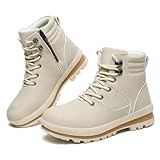
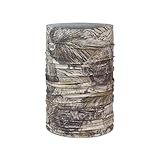
Here are my Amazon choices for a Kenya safari packing list with Prime delivery – a lifesaver if you’ve left it until the last minute before realising you’re missing something important!






FAQ: What to wear on safari in Kenya
Can I wear shorts on safari?
Yes, especially at camp in the heat, but trousers are better for dawn drives and evenings.
Is camo allowed in Kenya?
Best to avoid it. At best, you’ll look like a game keeper. At worst, it can be a sensitive issue in some areas, and it’s not worth the risk.
How many outfits do I need for a 3 to 5 day safari?
Plan for re-wearing. Take 3 to 4 tops, 2 bottoms, and layers you can repeat daily.
Do I need insect-repellent clothing?
It’s optional. Long sleeves, trousers, and repellent are usually enough for most travellers.
Will lodges do laundry?
Many do, but not all. Plus timings and cost will vary. Ask on arrival, and pack quick-dry items so you’re not stuck.
For Kenya, the smartest approach is simple. Stick to neutral colours like mid-tones for blending into the bush, dress in layers for cold dawns and hot middays, wear closed-toe shoes for drives, pack quick-dry pieces so laundry doesn’t steal your evenings, and prioritise sun protection as part of your essential kit. This creates the ideal Kenya safari outfit plan.

If you’re a part-time traveller squeezing Kenya into short trips while travelling around a full-time job, this system keeps packing quick and mornings calm. Save or print the packing list, choose a tiny capsule wardrobe, and let the early starts be the hard part, not your suitcase.


