

Kenya School Donations: What to Take And How Best To Help

You’ve squeezed Kenya into annual leave like it’s a carry-on that somehow still zips up. Respect! Now you’re wondering how to help local pupils while you’re there, without turning up with a random bag of stuff that nobody asked for.
Kenya school donations can be brilliant when they’re thoughtful. The trick is matching what you bring (or fund) to what schools actually need, and getting it to the right hands in a safe, fair way.
Before my trip to Kenya, I asked friends and family to buy items that Kenyan school students needed the most through our online wish list. I used my extra baggage allowance to take it out there, and saw it distributed to a local school via our hotel. Seeing the smiles on the children’s faces in the photos I received afterwards was so rewarding, and something I’ll never forget.

It’s easy to think “I’ll just pack a few extras” before a trip, but here’s a quick lesson: good intentions still need a solid plan for them to work. Here’s my simple, practical version.
What Kenyan schools often need most right now (and why)
If you only remember one thing, make it this: many pupils miss school for reasons that sound small, but aren’t. No uniform, no shoes, no sanitary pads, and suddenly attendance drops fast. Add school fees and basic learning supplies, and families can be forced into impossible choices.
In 2026, the most commonly requested support still looks very “unsexy”, but these items can be life-changing:
- Uniforms and shoes (kids may be turned away without them)
- Exercise books, pens, pencils, maths sets
- Sanitary pads for girls (attendance can depend on it)
- School fees and exam costs
- School meals support where available (hungry kids can’t focus)
If you’re staying with a safari company or a community-focused lodge, check if they already run a donation channel. The Pack for a Purpose guidance for Kenya is a good example of the kind of item list many partner schools ask for, and it also explains why cash can beat stuffing your suitcase to the brim.
What to take for Kenya school donations (a realistic packing list)
Let’s talk suitcase maths. If you’re a part time traveller who lives for short trips, you don’t have space for a thousand notebooks. Go small, high-impact, easy-to-carry.
Here are items that pack well, tend to be useful, and don’t cause awkward sizing issues:
|
Item |
Why it helps |
Packing tip |
Product example |
|---|---|---|---|
|
Pens, pencils, rubbers, sharpeners |
Daily essentials, always needed |
Keep in original packs to look new |
|
|
Exercise books |
Constantly used for classwork |
A5 is lighter than A4 |
|
|
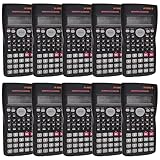
Maths sets (ruler, compass, protractor, scientific calculators) |
Useful for older pupils |
Pack flat in a notebook |
|
|
Sanitary pads |
Supports girls’ attendance |
Bring sealed packets, mixed sizes |
|
|
Story books (age-appropriate) |
Builds reading confidence |
Choose durable paperbacks |
|
|
Basic medical supplies (plasters, bandages, |
For minor injuries & ailments |
Buy new, sealed first aid kit essentials |





Skip used underwear, half-used stationery, or anything “nearly finished”. Offloading clutter is not helpful. Also avoid clothes unless the school has requested them, because sizing and fairness gets messy fast.
I started packing stacks of pens, a few packets of pads, and boxes of sanitary pads, feeling very organised. But with a busy 7-day Kenya itinerary planned, I quickly started to run out of space. My bag was chaos. The trick was keeping donations small and specific, so I didn’t resent the space they took up halfway through the trip.

For more packing tips ahead of your trip to Kenya, read my full checklist plus download a free mobile-friendly and printable version.
Import & customs taxes on items for donation
Customs charges depend on what you bring, how much you bring, and how it enters Kenya.
Travellers normally have a duty-free allowance up to USD 500 for personal imports. Sp small amounts in your luggage (a few packs of pens, exercise books, sanitary pads) usually pass as personal items, and you’re unlikely to be charged. Keep everything new and sealed where possible, carry receipts and don’t pack huge quantities of the same item.
Large quantities or high-value items (laptops, tablets, big boxes of books, sports kits, “bulk donation” cartons) can be treated as imports. That can mean import duty, VAT, Import Declaration Fee and a Railway Development Levy, plus delays, and paperwork, even if it you have proof that it’s a donation.

As you leave Nairobi’s international airport, all suitcases and bags are sent through a scanner at customs. We panicked, thinking we’d get charged on the two cabin-size bags of donations we’d brought, but we weren’t. And thankfully, we were within the personal allowance. But bear in mind, it could happen.
Best practice: ask the school or NGO before you buy anything if they have a preferred method. If you’re donating higher-value items, partner with a registered organisation that can advise on documentation and the cleanest way to receive the donation.
How to donate safely and respectfully (without the awkward handover)
The easiest mistake is giving items directly to children in public. It can create crowding, pressure on kids, and unfairness (the loudest kid gets the most). It also puts you in a safeguarding grey zone you don’t want.
Better options that protect pupils and make sure the support lands well:
Donate through a school headteacher or charity partner: Find a local school, ask for a named contact, a delivery time, and a list. Ask your hotel or airline for a recommendation.
Use established programmes: They already know local needs, and they can spread donations fairly across classes. The Simama Project, based in Nanyuki, is a great example of a charity that gets kids into the classroom by removing barriers to opportunity.

Ask what not to bring: A quick message can save you from packing something unusable.
We set up an Amazon wish list so our friends and family could buy approved items, then used our extra luggage allowance to bring stationery, sanitary pads and medical supplies. We filled a large box full!
These were soon after donated during a school’s visit to our hotel – Fairmont Mount Kenya Safari Club – thanks to our wonderful customer care co-ordinator Maria and her colleague Joshua. They facilitated it all for us, and sent us the most fantastic updates and photos of the school receiving our items.


One more reality check: airlines lose bags. If your donation is your checked luggage, you might accidentally donate it to an airport storage room. Keep essentials and any “must arrive” items in hand luggage. And anything with a battery, such as scientific calculators, can’t be placed in the hold for safety reasons.
Ways to support local pupils without filling your suitcase
Sometimes the kindest thing you can do is not play luggage Tetris at all.
Cash (given through a trusted organisation) can stretch further because it buys locally, supporting the local economy, matching what schools ask for, and avoiding shipping costs and import headaches. It also helps with the big stuff pupils can’t “borrow”: fees, uniforms, shoes, and meals.
Other practical ways to help that work well when you’re travelling around a full time job:
- Sponsor a pupil or a term: Regular giving is easier for schools to plan around than one-off parcels.
- Fund teacher training or classroom resources: It’s less visible than a new football, but it can raise outcomes for whole classes.
- Support education tech when it’s requested: In some areas, rugged devices, servers, or power solutions make a real difference. If that’s your lane, ARES (African Ruggedized Education Solution) donations show what “adopt-a-school” style support can look like.
A simple plan for short trips to Kenya (so you don’t overthink it)
If you’ve only got a week in Kenya, keep it tidy:
- A month before: message your lodge, guide, or a registered organisation and ask for a current needs list.
- Two weeks before: buy only what’s requested, prioritise small items (stationery and sanitary pads are usually easy wins).
- In Kenya: hand items to an adult contact (teacher, programme lead, lodge community officer), not directly to pupils.
- After your trip: set a reminder to follow up, even if it’s just “Did it arrive, and was it useful?”
That’s it. No hero story line needed, just easy follow-through.
FAQs about Kenya school donations
What’s the best item to donate if I can only bring one thing?
Sanitary pads or basic stationery (pens and exercise books) are often high-impact and easy to carry. If a school has a specific list, follow that instead of guessing.
Is it better to donate money or supplies?
Money is often more useful when given through a trusted organisation, because it can cover fees, uniforms, and local purchase of exactly what’s needed. Supplies work well when they’re requested and delivered through a proper channel.
Can I donate directly to a school when I arrive?
Yes, but arrange it first and donate to a named adult contact. Avoid surprise visits and avoid handing items to children in public.
What should I avoid donating?
Steer clear of used underwear, random second-hand clothing, broken gadgets, and anything part-used. Also avoid medicines unless you’re working with a medical programme that requested them.
How do I know if a donation organisation is legit?
Look for clear contact details, transparent reporting on how funds are used, and specific programmes (fees, uniforms, meals, materials). If they can’t explain how donations reach pupils, pick another option.
What about import/customs taxes?
Small quantities of items in your luggage is unlikely to cause an issue, as travellers have a duty-free allowance up to $500. But avoid large quantities of the same item or any high value items like laptops or sports kits. Shipping items will almost certainly attract customs and clearance fees, so is best avoided.
Ready to help in a way that actually works?
Small, targeted donations can help pupils stay in school, especially when you focus on uniforms, shoes, learning basics, and period products. Pair that with a safe handover, and you’re supporting families without adding stress to schools.

If you want a straightforward next step, choose one organisation and set it up today, even if it’s a small monthly amount. The Kenya Education Fund donation options are a solid place to start for supporting items like uniforms, shoes, and learning materials through a structured programme.
Pick one action, put it in your calendar, and let future you be the kind of traveller who does good in a world that sure needs it right now.
Ready for your Kenya getaway? Make sure you leave nothing to chance with my post, What Travellers Must Know For a First-Time Visit.


